If multiple drains back up around the same time, the issue may involve a shared branch or main line. Avoid treating every fixture as an unrelated clog; the relationship between symptoms helps a professional decide what to assess first.
What the symptom or service term really tells you
Urgency is determined by the consequences of continued use, not just how unpleasant a slow drain feels. Active sewage backup, water coming through a lower fixture, rapid overflow or multiple fixtures failing together deserves prompt attention. If backup is active, stop using affected fixtures and keep people and pets away from contaminated water. Do not run other fixtures to test the system when doing so may add water to the affected line.
How to think through urgency and safe next actions
When you call, describe what is happening now, not just the label “clogged drain.” Identify which rooms are affected, whether the problem began suddenly, whether water is rising or leaking, and whether there are sanitation or electrical hazards. Tell the team if you are in a multi-unit or commercial building because shared systems and access approvals can change how the call is coordinated.
Common assumptions that can lead to the wrong decision
Emergency service should still have a defined scope. Ask what can be assessed immediately, what is being done to control the active problem and whether follow-up inspection or repair could be required after the immediate restriction is cleared. A fast response and a correct diagnosis serve different purposes, and the work plan should explain both.
A practical assessment sequence
First, describe the actual symptom rather than choosing a technical label. Second, identify exactly which fixtures are affected and whether the pattern changes when another fixture is used. Third, share any history of clearing, inspection or repair and how long the results lasted. Fourth, let the service provider explain which access point and method are appropriate. Finally, agree on the scope, what the result should achieve and which findings would require follow-up. This sequence works because it keeps the conversation tied to observable facts and allows the method to change if the assessment reveals something different from the original assumption.
How to compare practical options
Compare methods by purpose, not by how advanced the equipment sounds. For urgency and safe next actions, ask whether the immediate goal is opening a restriction, removing buildup, locating the source, documenting pipe condition or repairing a physical defect. Those are different outcomes. Request a plain-language explanation of why the recommendation matches the evidence, what is included, what access is needed and what the method cannot confirm. If two proposals differ, compare their included work, diagnostic assumptions, restoration, follow-up and conditions that would change price or scope. A balanced comparison lets you evaluate value without assuming that the least expensive or most intensive option is automatically the right one.
Prepare useful information before booking
The details you gather do not need to be technical. Note the first sign of trouble, the fixture or line involved, whether other fixtures remain normal, and any change after previous service. Share building type, access instructions and whether a property manager must approve work. If there is active backup, leakage, sewage or another hazard, mention it at the beginning of the call. Do not remove a cleanout cap, enter a confined space, mix chemicals or continue testing a system in a way that could worsen the problem. If safe, a photo of visible symptoms can help communicate what is happening, but it cannot replace a proper assessment.
Local considerations for Fresno
Across Central Valley communities, properties can range from long-established neighbourhoods to newer subdivisions and commercial buildings. The useful details are the age and layout of the property, the location of the cleanout, and whether one fixture or several are affected. For orientation, a resident in Fresno may recognise Tower District and Fresno Chaffee Zoo area. That landmark can help explain the broad part of the city, but it does not establish pipe condition or guarantee that service is available at a particular address. Share the full property address and the exact access point when confirming availability. For a rental, managed or commercial property, also clarify who can approve work and whether the affected line is shared.
Questions worth asking before the work starts
Ask what finding supports the proposed method, which section of pipe is included and how the provider will evaluate the result. Clarify whether the quote includes diagnosis, cleaning, inspection, repair, cleanup and documentation, or only some of those items. Ask what conditions could change the scope and whether the provider will seek approval before additional work. If the method has limitations, ask for them in plain language. If inspection reveals a structural problem, ask for the evidence and a separate explanation of repair options rather than assuming the initial cleaning quote covers it. Written answers reduce misunderstandings and create a useful service record.
Build a record that helps with repeat problems
Keep the appointment date, symptoms reported, method used, findings described, any images or video supplied, and the follow-up recommended. Note whether flow improved and how long the improvement lasted. If the same issue returns, those records help compare like with like and show whether the next assessment should focus on the same section or consider a different cause. For rental and commercial properties, keep the record with the maintenance log and make sure staff or future property managers know what was found. Good records are useful for decision-making; they should not be interpreted as proof of defects that were never observed.
What a responsible recommendation should include
A useful recommendation states the problem being addressed, explains why the method fits, outlines the access and work included, and identifies uncertainty. For urgency and safe next actions, ask the provider to distinguish an immediate symptom fix from steps intended to understand the reason it occurred. It should be clear whether additional camera inspection, a specialist assessment, permission from a property manager or a separate repair scope might be needed. Avoid relying on guarantees that go beyond what can be verified during the visit. Clear boundaries are a sign of a more transparent service conversation, not a weakness in the advice.
Action checklist
- Write down the exact symptom and the first time it appeared in the urgency and safe next actions situation.
- List affected and unaffected fixtures so the pattern is clear.
- Gather previous invoices, inspection notes or photos if they are available.
- Share building access requirements and who is authorised to approve work.
- Ask for a plain-language scope, limitations and conditions that may change the quote.
- Save the findings and service record so a recurring issue can be compared accurately.
Frequently asked questions
What should I tell the service team about video camera inspection?
Describe the affected fixture or line, how long the problem has been present, whether it recurs and what work has already been attempted. Include address-based access details and any known pipe reports.
Does this service guarantee that the issue will never return?
No responsible service description can promise that without knowing the cause and condition of the system. Ask what the work addresses, what it cannot establish and what follow-up may be appropriate.
How is the method selected?
The choice depends on symptoms, obstruction, access and pipe condition. Ask why the proposed method fits the observed problem and whether inspection is needed before cleaning or repair.
Will the price change if the scope changes?
Ask what is included, which conditions may affect the scope, and whether approval will be requested before additional work proceeds.
If multiple drains back up around the same time, the issue may involve a shared branch or main line. Avoid treating every fixture as an unrelated clog; the relationship between symptoms helps a professional decide what to assess first.
Reduce water use
Stop running water through affected fixtures and do not repeatedly flush to test whether the line has cleared. If wastewater has reached living areas, avoid contact and keep children and pets away while arranging service.
Record which fixtures are involved
Write down whether the lowest fixtures back up, when the first symptom appeared and whether gurgling or odors accompany the problem. Mention any recent work or prior cleaning because those details may guide the assessment.
Cleaning may not be the only answer
A suitable method can remove some restrictions, but damaged pipe or a recurring obstruction may need further investigation. If the issue returns, ask whether a camera inspection could distinguish a blockage from a structural concern.
Questions to ask before approving service
The next step should be explained in terms of the observed condition, the intended result and the limits of the method. These questions help you understand the scope without trying to diagnose the pipe yourself.
- What do you need to inspect before recommending a method?
- What part of the line is included in the proposed service?
- How will the result be checked after the work?
- What extra work would require separate approval?
- What notes, images or findings will be provided after the visit?
How this guidance applies to what to do if your main-line drain is clogged in fresno
This article focuses on a decision a property owner may need to make before authorizing work. Start by separating the symptom you can observe from the cause you suspect. Record when the symptom occurs, which fixtures or rooms are affected, what has already been tried, and how long any improvement lasted. That record is useful during a service call because it describes the history without forcing a diagnosis before the line has been assessed.
For readers researching this issue around central Fresno and the downtown corridor, the landmark is geographic context only. Service availability depends on the actual property address, access, the affected pipe section and the work required. A city name or landmark should not be treated as evidence that a provider operates a staffed branch at that location.
Shared-line symptoms need a whole-property description
For the situation described in What to Do If Your Main-Line Drain Is Clogged in Fresno, use this point as a question to discuss, not as a diagnosis made from a webpage. A main-line problem can show up in different rooms at different times. Tell the service provider which fixtures back up first, what remains normal, whether a lower-level drain is affected and whether the event occurs when another fixture is used. Do not ask a tenant or staff member to run water just to recreate the backup if that could worsen it. A simple property sketch or list of fixtures can help when several bathrooms or suites are involved, especially if the person making the call did not observe the first symptom.
Cleaning findings versus structural findings
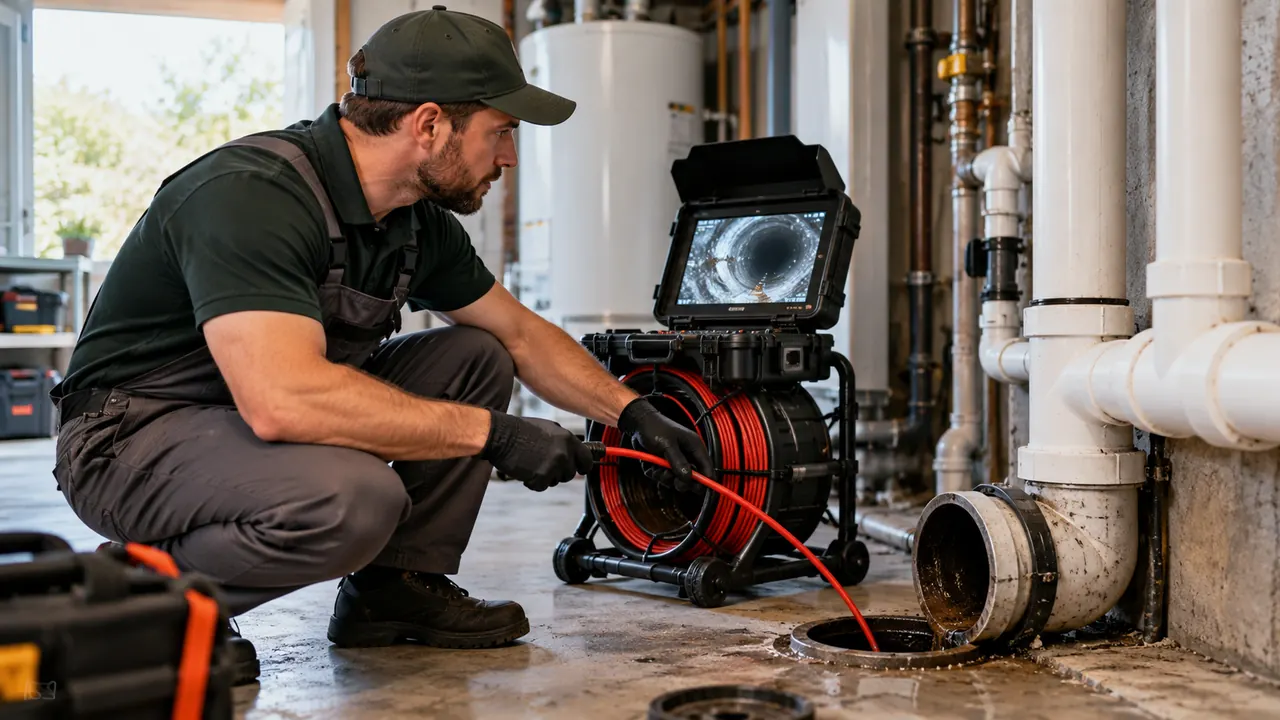
The best next step depends on the facts observed at the property. A cleanout visit can address an obstruction, but it does not automatically reveal the entire condition of a buried line. A camera may reveal roots, deposits, a visible offset or other concerns in the accessible section, although the view has limitations. Ask whether the finding was directly observed and how it relates to the symptom. If a structural defect is suspected, ask for a separate explanation of repair options and what evidence supports each. Keeping the concepts separate protects against assuming that every recurrence means the same thing or that cleaning alone repairs physical damage.
Create a maintenance record that follows the property
The best next step depends on the facts observed at the property. For a home, rental or commercial site, keep dates, symptoms, methods, inspection findings and recommendations in one place. Include the affected section if known and note the length of time normal service lasted. A property manager can share the record with tenants, maintenance staff and future service providers when relevant. A record will not identify an unseen defect, but it supports better comparison of repeat events and makes it easier to ask whether a new assessment should revisit the same area or investigate a different source.
A practical documentation checklist
Before the appointment, save the address, the affected fixture or line, the first date the symptom appeared, whether other fixtures changed at the same time and a short record of prior work. During the visit, ask what was directly observed, which section is included in the scope, what method is proposed and what the method cannot establish. After the visit, keep the itemized scope, invoice, inspection notes or footage if supplied, and any stated next steps together.
This record helps owners, tenants, facilities teams and future service providers communicate consistently. It does not replace an on-site diagnosis, and it should not be used to claim a defect unless a qualified professional actually observed it. If symptoms return, note the interval and whether the pattern is the same before deciding whether a repeat visit or a different form of assessment is appropriate.
- Describe the symptom and location without guessing at the cause.
- Confirm scope, access, pricing terms and possible exclusions before work starts.
- Ask what result will be checked after the service.
- Keep written findings for future decisions and property records.
A practical next step
Collect the full property address, identify all affected fixtures, note when symptoms started and list any prior cleaning or inspection. If water is actively backing up, stop adding water to affected fixtures. Explain any chemical products or tools already used so that the service can be planned safely.
Related service
Main Line Drain Cleaning may be relevant depending on the cause, access and pipe condition. Cleaning, inspection and structural repair do different jobs, so ask which findings support the proposed scope.
For city-level service-area information, see drain cleaning in Fresno, California. Coverage is confirmed by the full address.
More drain-care guides
- Main-Line Drain Cleaning Cost in California: Scope and Quote Factors
- Why Are Multiple Drains Backing Up at Once?
- Signs Your Main Sewer Line May Need Cleaning
For service availability, call (833) 525-3311 or use the contact page.