
Emergency Drain Cleaning
Urgent support for active drain backups, sudden blockages and drainage problems that cannot reasonably wait.
Explore service ↗Explore drain cleaning, sewer-line cleaning, hydro jetting, inspection and repair options. The right approach depends on symptoms, pipe condition and access. A separate frozen-pipe service is also listed for water-supply pipe concerns.

Each page explains common use cases, what details to share and when inspection may be useful. Call to confirm availability for your location.
Urgent support for active drain backups, sudden blockages and drainage problems that cannot reasonably wait.
Explore service ↗Service options for sewer-line restrictions, recurring backups and drain symptoms that may affect multiple fixtures.
Explore service ↗
Assessment and cleaning options when symptoms appear to involve the main drain serving multiple fixtures.
Explore service ↗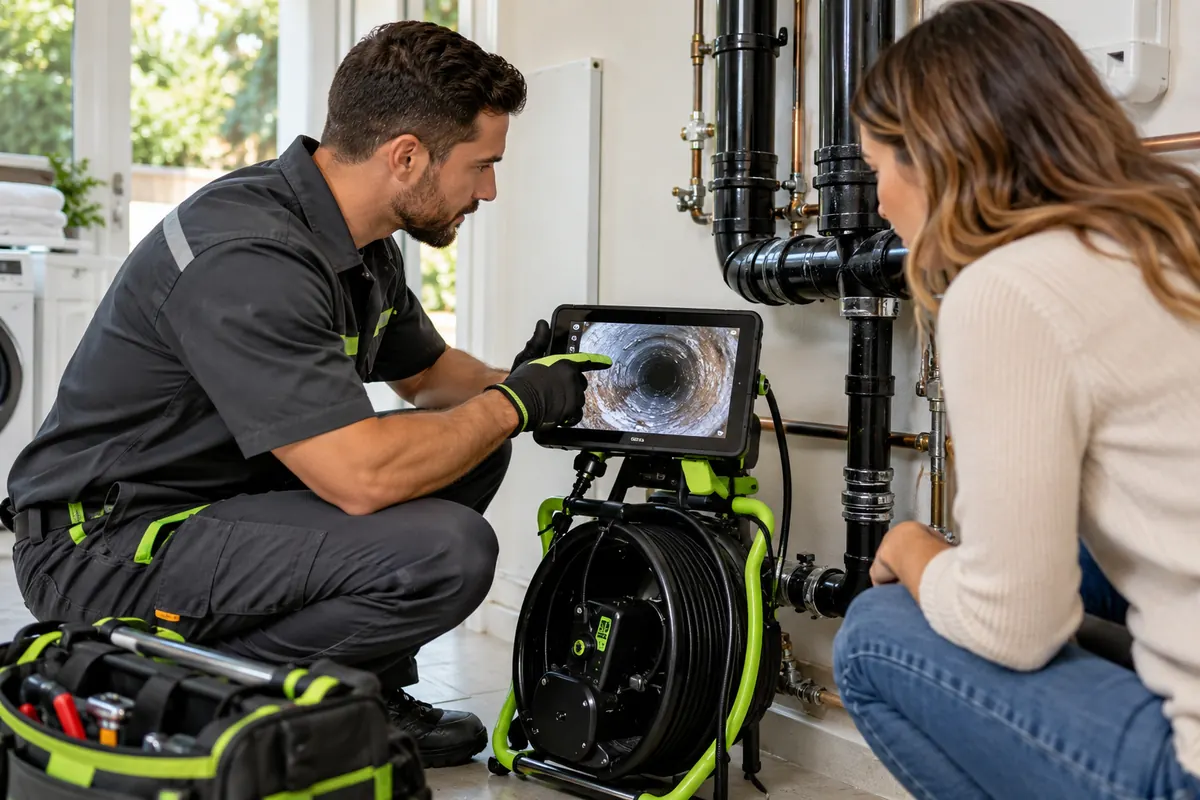
Help with kitchen sinks that drain slowly, repeatedly clog or retain water after normal use.
Explore service ↗Drain clearing for bathroom sinks, tubs and shower drains affected by hair, soap residue and recurring blockages.
Explore service ↗High-pressure water cleaning for suitable lines where buildup or debris needs a more thorough cleaning method.
Explore service ↗See inside an accessible pipe to help locate recurring blockages, identify concerns and inform next steps.
Explore service ↗Explore repair approaches that may address certain sewer-line defects while reducing the need for extensive excavation.
Explore service ↗A separate plumbing service page for suspected frozen water supply pipes, safe response steps and repair assessment.
Explore service ↗Not sure which option fits? Describe the symptoms and ask which next step is appropriate.
Contact the Team ↗Similar symptoms can come from different restrictions. When a problem recurs, affects several fixtures or may involve pipe damage, inspection can help narrow the next step.
The names of service methods can sound similar, but they solve different problems. A useful decision starts with where the water is slowing, how many fixtures are affected, how often the problem returns and what is known about the line.
When one sink, tub or shower is slow and every other fixture behaves normally, the issue may be local to its trap or branch. Describe the fixture and whether the restriction developed suddenly or gradually. The service provider can assess access and discuss targeted clearing options before deciding that a larger line needs attention.
When several fixtures react together, lower drains back up, or the issue returns shortly after service, describe the entire pattern. The next step may involve main-line or sewer-line assessment, and camera inspection may help when the cause is uncertain. The symptoms justify investigation but do not by themselves prove a broken pipe.
Cleaning removes an obstruction or buildup. Inspection gathers evidence about the accessible interior of a line. Repair addresses a physical defect. These purposes overlap in the sequence of a job, but they should not be represented as interchangeable services. Ask which outcome the proposed work is expected to deliver and what findings would require a different scope.
Still not sure which service fits the problem? Describe the symptoms and ask which assessment is appropriate first.
Discuss the issue ↗The same symptom can have different causes. Start with what you can observe, then use an assessment to decide whether cleaning, inspection or repair is the right objective.
If one sink or shower drains slowly, the issue may be close to that fixture. If several fixtures change at the same time, mention the pattern and ask whether a branch or main line should be assessed. This is a clue, not a remote diagnosis. Plumbing layouts, slope, access and prior repairs all affect the next step.
Tell the service team which fixtures are affected, when the issue started, whether water backs up elsewhere, and what was already attempted. These facts help the technician choose what to check first and avoid treating a guess as a finding.
Drain cleaning aims to clear suitable material. Hydro jetting uses pressurised water for appropriate pipe conditions. A camera inspection can document an accessible section of pipe. Sewer repair addresses a physical defect that has been identified. One service may lead to another, but one does not automatically prove another is needed.
Ask what evidence supports the recommended method, which section is included, what is excluded and how the result will be checked. A clear scope is more useful than an unsupported promise that a difficult blockage will never return.
Homes, rental buildings, restaurants, offices and retail properties may have different access needs and operating constraints. Share any access restrictions, relevant prior work, tenant or manager coordination, and timing requirements. For larger alterations or repairs, check local permit and inspection requirements with the responsible authority or qualified contractor. The applicable rules depend on the exact scope and location.
The address and city page are also different things. A location guide helps you reach information for a city; it does not prove that a technician is stationed there or that every street is within a dispatch area. Confirm service availability using the full property address.
Describe the symptom, affected fixtures and service history. Ask the team to explain the available next steps and the scope of each option.
The right service depends on the symptom, the pipe section, access and the evidence available. Use this guide to frame the first conversation, then confirm the scope for your property.
| Service | When it may be relevant | Key question |
|---|---|---|
| Emergency drain cleaning | Active backup or a drain issue that needs urgent attention. | What is the immediate risk and which fixtures are affected? |
| Sewer line cleaning | A suspected restriction in an accessible sewer section. | Which line section is included, and what was observed? |
| Main line drain cleaning | Several fixtures showing related symptoms. | What evidence points to a shared or main line? |
| Kitchen drain cleaning | Slow kitchen sink or recurring kitchen fixture clog. | Does the symptom involve the sink, disposal or appliance discharge? |
| Bathroom drain cleaning | Slow or blocked basin, tub, shower or bathroom fixture. | Is one fixture affected or are other drains involved? |
| Hydro jetting | Suitable pipes where deposits or buildup need pressure cleaning. | How will the pipe condition and method suitability be assessed? |
| Video camera inspection | The location or condition of an accessible line needs closer review. | Which section can be seen, and what are the limits of the footage? |
| Trenchless sewer repair | A confirmed defect may need a repair option with limited excavation. | What defect was observed and what is included in restoration? |
| Frozen pipe repair | A water-supply pipe may be frozen or damaged in cold conditions. | Is the concern on the water-supply side, and is there an active leak? |
A home may need fixture and cleanout access, while a commercial kitchen, rental block or office can involve operating schedules, tenant notices, facilities staff and shared plumbing. Explain the type of property and any access restrictions when making an enquiry. For a multi-unit building, record which units or fixtures are involved rather than assuming one report describes the whole system.
For larger work, clarify who can approve additional scope, who handles access and cleanup, and whether local permit or inspection requirements need checking. These details depend on the actual project and local jurisdiction, so use the relevant authority or qualified contractor for definitive requirements.
A useful recommendation explains the symptom being addressed, the observed or suspected location, the method proposed, the work included and the method's limitations. It should also distinguish a cleaning result from evidence about structural condition. If inspection or repair may be a separate step, ask why it is relevant and what observation supports it.
Before approving work, confirm the access point, included fixtures or pipe section, price and conditions that could change the scope. Afterward, keep written findings, the invoice and any inspection footage provided. If the symptom returns, the record helps the next conversation begin with the actual history rather than an assumption.
No. Online information can help you describe symptoms and prepare questions, but it cannot inspect inaccessible pipes or establish the cause at your property.
No. Hydro jetting is a cleaning method for suitable line conditions. A physical defect may require separate assessment and repair.
Give the complete address, symptoms, affected fixtures, prior service history and access details. Ask which tasks are included and what may change the quoted scope.
Call with the affected fixtures and property address so service options and availability can be discussed.