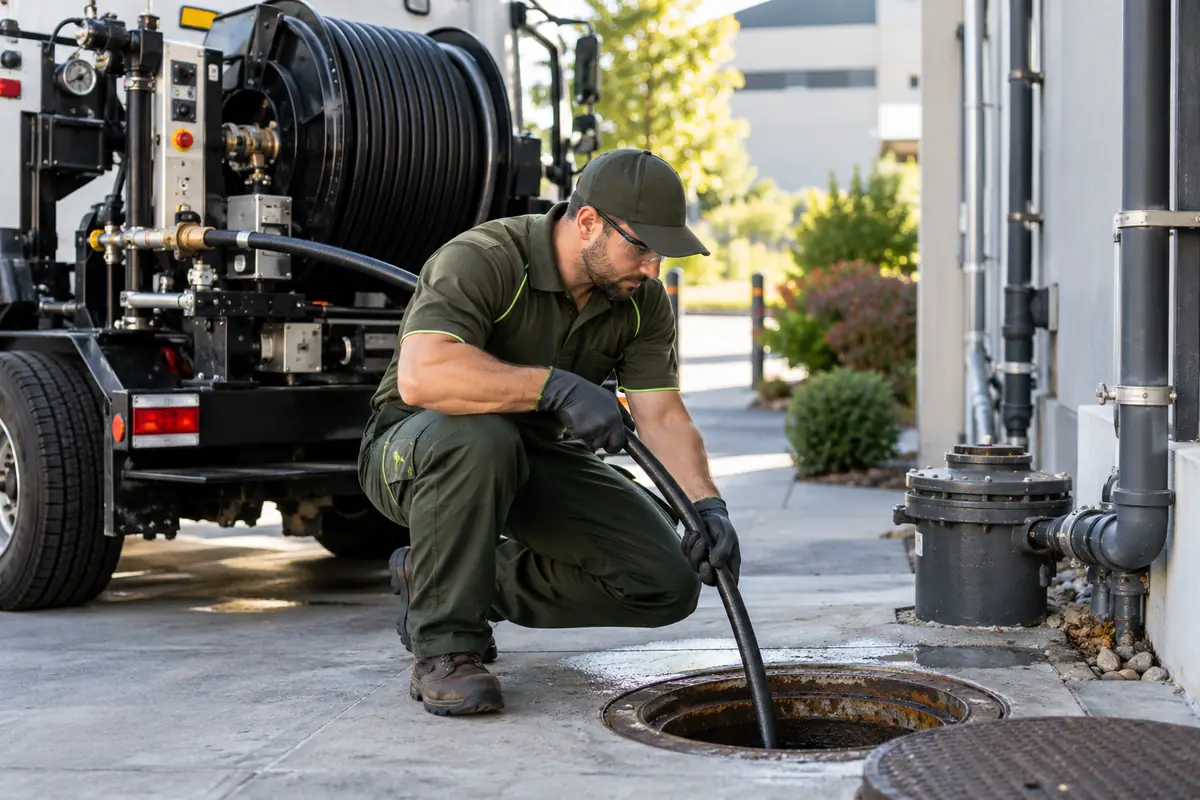
When water is backing up or several fixtures stop draining, first limit water use and describe the full symptom pattern. Call to discuss emergency availability and the appropriate next step.
Urgent support for active drain backups, sudden blockages and drainage problems that cannot reasonably wait.
When a drain problem needs urgent attention
An urgent call is appropriate when a blockage is causing active overflow, wastewater is returning through fixtures, or several drains stop working together. Avoid adding more water to affected fixtures while arranging help. Keep clear of water near electrical equipment and mention any immediate hazard.
Details to share when you call
Tell us which fixtures are affected and when the backup began.
Mention whether toilets, tubs, sinks or floor drains react together.
Describe any prior clearing attempts and any chemicals used.
What the first assessment should clarify
The next step depends on whether the restriction appears to be at one fixture, a shared branch or a main line. Ask what the technician observed, what the proposed service is designed to address and whether inspection is needed before considering larger work.
Common questions
What should I do before a technician arrives?
Stop using affected fixtures, avoid repeated flushing, and keep people away from wastewater. Explain whether the problem is isolated or affecting multiple drains.
Is emergency service available on Sundays?
Emergency service availability is offered 24/7. Published regular hours are Monday-Friday 7 AM-7 PM and Saturday 8 AM-4 PM; Sunday is emergency only.
Can a recurring clog need camera inspection?
It can. If cleaning does not resolve a repeating issue or the cause is unclear, camera inspection may help examine the inside of the pipe.
How to decide whether emergency drain cleaning fits the problem.
This guide explains the decision points to discuss with a service professional. The correct scope depends on the actual property, line condition and the symptoms observed.
Start with a useful diagnosis
A useful emergency triage begins by finding out whether one fixture, a group of fixtures or every lower-level drain is affected. The timing matters: sudden changes during normal use are different from a restriction that has gradually worsened over weeks. Tell the service team whether water is rising, whether other fixtures make the problem change, and whether any sewage or contaminated water is present.
What the method can and cannot do
Emergency work is not one fixed technique. A local obstruction may need targeted clearing, while a shared line concern may call for a different access point or further assessment. Hydro jetting or camera inspection should be selected only when suitable for the pipe and the symptoms. Urgency changes the need to triage promptly, but it does not remove the need to choose a method that fits the line.
Information to share before the visit
Stop using affected fixtures if backup is active, keep people and pets away from contaminated water, and avoid mixing chemical drain products. If safe, photograph the visible issue and note when it started. Do not remove a heavy cleanout cap or enter a pit or confined space. Have the street address, gate details and a callback number ready.
List every affected fixture, including drains that still work normally.
Describe when the symptoms began and how frequently they return.
Share access restrictions, prior service records and known pipe details.
Ask what is included and how the proposed result will be explained.
Common questions about emergency drain cleaning
What should I tell the service team about emergency drain cleaning?
Describe the affected fixture or line, how long the problem has been present, whether it recurs and what work has already been attempted. Include address-based access details and any known pipe reports.
Does this service guarantee that the issue will never return?
No responsible service description can promise that without knowing the cause and condition of the system. Ask what the work addresses, what it cannot establish and what follow-up may be appropriate.
How is the method selected?
The choice depends on symptoms, obstruction, access and pipe condition. Ask why the proposed method fits the observed problem and whether inspection is needed before cleaning or repair.
Will the price change if the scope changes?
Ask what is included, which conditions may affect the scope, and whether approval will be requested before additional work proceeds.
Related services
Some jobs require more than one step. Compare connected options and choose based on findings rather than selecting the most intensive method by default.
If wastewater is backing up, reduce water use in the affected part of the property and tell the service team whether more than one fixture is involved. Do not keep flushing or running taps to reproduce a problem while a drain is actively backing up. If contaminated water, electrical danger or a structural hazard creates an immediate risk, keep people away and contact the appropriate emergency authority before arranging access. Once the immediate restriction is controlled, ask what was cleared, which section was reached and whether a further diagnosis is recommended.
How to compare the next-step options
For emergency drain cleaning with a clear next step., compare proposals against the actual reported problem and the part of the system included. Ask what the provider has directly observed, what remains uncertain, and whether the proposed method is intended to clear a restriction, inspect the pipe or address a physical defect. These are different objectives. Request a plain-language explanation of why the method fits the available evidence, what access is required, how the result will be checked and what conditions could change the scope.
Property access and coordination
Provide the full address, access notes, the location of any known cleanout and whether a tenant, landlord, building manager or facilities contact needs to approve work. Shared buildings, older plumbing and commercial spaces may have different operating constraints, access rules and downtime concerns. For larger work, verify permit and inspection requirements with the relevant local authority or qualified professional rather than assuming one rule applies throughout California.
What to keep after the service
Save the service date, symptoms, approved scope, findings, invoice, and any inspection images or recordings provided. Note whether the original problem improved and how long the improvement lasted. If it returns, describe the timing and affected fixtures so the next assessment can determine whether the same section or a different cause should be investigated. Good records support decisions, but they should not be used to claim that a defect exists unless it was actually observed.
Questions to ask before approving work
Which line or fixture is included in the quoted scope?
What finding supports the recommended method?
What is excluded, and how will changes to the scope be approved?
How will the result be checked and documented?
What follow-up is recommended if symptoms return?
What information helps the emergency call
Describe whether the backup is in one fixture or multiple fixtures, whether wastewater is present, when it began and whether a nearby fixture changes the symptom. Tell the dispatcher about gates, parking, access to a cleanout, tenants who need notice and any hazard at the site. These details do not establish the cause, but they help the team understand urgency and plan safe access. Avoid sending people into contaminated areas or asking them to dismantle plumbing to collect more information.
Confirm the immediate and follow-up scopes separately
An urgent visit may focus first on restoring flow or reducing the immediate impact. Ask which actions are included in that first scope and whether further diagnosis is a separate decision. If the same backup returns, share the earlier work record and describe the timeline accurately. An immediate clearing should not be described as a structural repair unless a repair was actually performed. Written notes make it easier to decide whether a camera inspection or additional assessment is warranted.
For homes, rentals and business properties
A rental building may need a landlord or manager to approve work, while a business may need coordination around opening hours, sanitation or access to a utility room. Identify the decision-maker before a technician arrives. If several tenants report the same symptom, gather the affected unit and fixture details without asking residents to keep running water. This helps the visit focus on the shared problem while keeping access and communication orderly.
Questions to have answered before approval
Which fixture or pipe section is included in the proposed service?
What observation or history supports the recommended method?
What is excluded, and how will a changed scope be approved?
What result will be checked and documented after the work?
What follow-up is appropriate if the original symptom returns?
A CLEARER NEXT STEP
Discuss the symptoms and service options
Call to describe the issue and confirm the appropriate next step for your property.